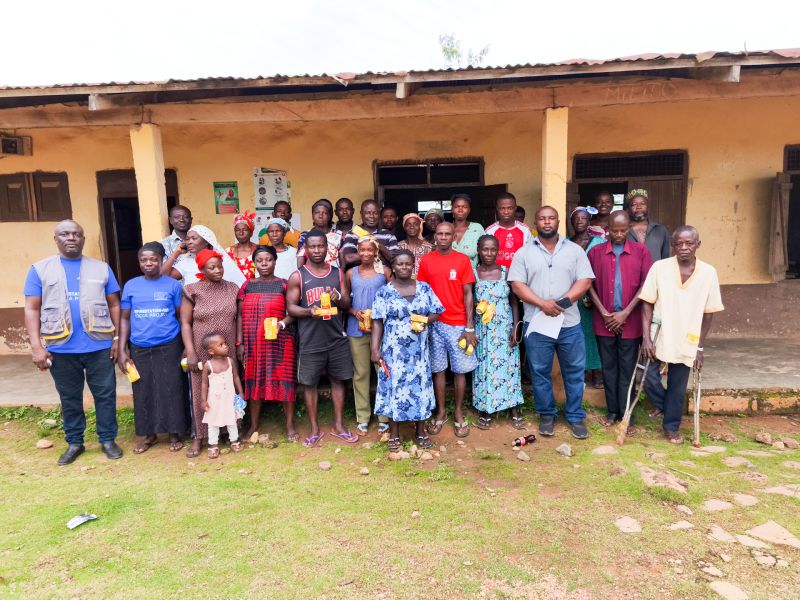
The journey toward #sustainable#cocoa production requires not only good farming practices, but also the ability to meet evolving international standards.
Across participating communities, the Deforestation-Free Cocoa project recently organized training sessions on the European Union Deforestation Regulation (#EUDR) to prepare cocoa #farmers for this new framework.
Farmers were taken through key areas including:
✅ Understanding the EUDR and its implications for cocoa exports
✅ Traceability requirements across cocoa supply chains
✅ Compliance responsibilities at the farm level
✅Sustainable land use practices aligned with deforestation-free principles
✅Farmer rights and available support mechanisms
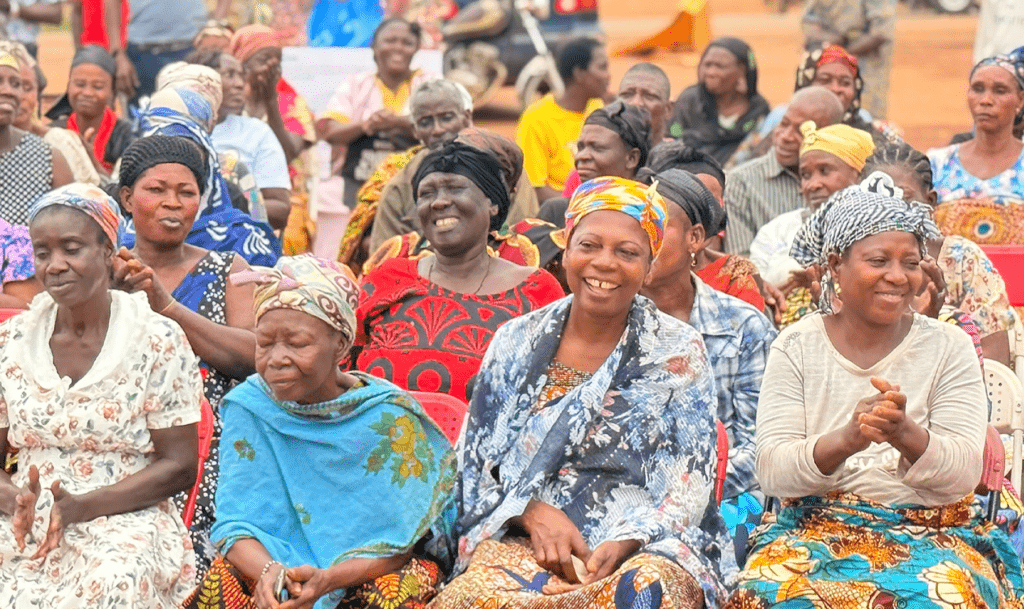
The sessions provided practical guidance to help #farmers meet EUDR requirements, supporting Ghana’s cocoa sector to remain competitive in international markets while protecting forests and livelihoods.
“This training has opened my eyes to how global regulations affect us directly. I now understand what is required to keep my cocoa farm compliant and sustainable,” said Tawiah Esther, a farmer from Sefwi Bonwire in the Western North region of Ghana.
This support is helping strengthen farmers’ ability to adapt to international regulations, contributing to a more resilient, deforestation-free cocoa sector that benefits both people and the environment.
The Deforestation-Free Cocoa Project is implemented by Solidaridad West Africa, Tropenbos Ghana, Rights and Advocacy Initiatives Network (RAIN), and TaylorCrabbe, with funding from the European Union.